

Every American healthcare marketer recognizes the challenge of proving which campaigns truly drive patient inquiries and revenue. As Google Ads spending grows, pinpointing which efforts produce measurable results becomes more urgent for small and medium-sized organizations. With digital platforms offering the ability to closely track and analyze marketing effectiveness, a strong grasp of ad result analysis sets the foundation for maximizing patient acquisition and ensuring every dollar spent improves your ROI.
Table of Contents
Key Takeaways
| Point | Details |
| Ad Result Analysis Importance | Understanding ad result analysis is crucial for healthcare organizations to measure patient engagement and optimize marketing investments. |
| Core Metrics for Google Ads | Marketers should focus on visibility, engagement, and conversion metrics to evaluate the performance of their Google Ads campaigns. |
| Data-Driven Decision Making | Implementing data-driven strategies empowers marketers to transform raw data into actionable insights for improved patient acquisition. |
| Common Analysis Pitfalls | Awareness of data quality issues and analytical interpretation errors is essential to avoid misleading conclusions about advertising performance. |
Defining Ad Result Analysis and Its Importance
Healthcare marketing has transformed dramatically with digital advertising, making ad result analysis a critical strategic tool for organizations seeking measurable patient engagement. Unlike traditional marketing approaches, digital platforms enable precise tracking and evaluation of campaign performance, allowing healthcare providers to understand exactly how their advertising investments translate into patient acquisition and care outcomes.
Ad result analysis involves systematically examining key metrics that reveal the effectiveness of healthcare marketing campaigns. This process helps organizations understand patient advertising influence by measuring specific indicators such as:
-
Patient inquiry rates
-
Conversion percentages
-
Cost per patient acquisition
-
Engagement duration with marketing materials
-
Geographic and demographic response patterns
The importance of ad result analysis extends beyond simple performance measurement. By carefully evaluating campaign data, healthcare marketers can develop increasingly sophisticated strategies that precisely target potential patients, optimize marketing spend, and create more meaningful patient communication approaches.
Healthcare marketing professionals leverage ad result analysis to:
-
Identify the most effective communication channels
-
Understand patient demographic behaviors
-
Allocate budgets more strategically
-
Refine messaging for maximum impact
-
Demonstrate clear return on marketing investments
Effective ad result analysis transforms raw data into actionable healthcare marketing intelligence, enabling organizations to make informed, patient-centered decisions.
Pro tip: Develop a consistent tracking system that measures multiple campaign metrics simultaneously to gain comprehensive insights into your healthcare advertising performance.
Core Metrics for Assessing Google Ads Performance
Healthcare marketers must master a sophisticated set of performance metrics to evaluate the effectiveness of their Google Ads campaigns. Understanding critical marketing metrics allows organizations to transform raw advertising data into strategic insights that drive patient acquisition and optimize marketing investments.
The core metrics for assessing Google Ads performance can be categorized into several key areas:
-
Visibility Metrics
-
Impressions
-
Ad reach
-
Search impression share
-
-
Engagement Metrics
-
Click-through rate (CTR)
-
Average click rate
-
Cost per click (CPC)
-
-
Conversion Metrics
-
Conversion rate
-
Cost per conversion
-
Patient inquiry volume
-
Healthcare marketing teams must approach these metrics with precision, recognizing that each indicator provides a unique lens into campaign performance. Advanced analysis goes beyond surface-level numbers, requiring a profound understanding of how individual metrics interconnect and influence overall marketing strategy.
Strategic considerations for metric evaluation include:
-
Establishing baseline performance benchmarks
-
Tracking performance trends over time
-
Comparing metrics across different campaign segments
-
Aligning metrics with specific organizational goals
-
Identifying potential optimization opportunities
Effective Google Ads performance measurement transforms complex data into actionable healthcare marketing intelligence, enabling targeted, efficient patient acquisition strategies.
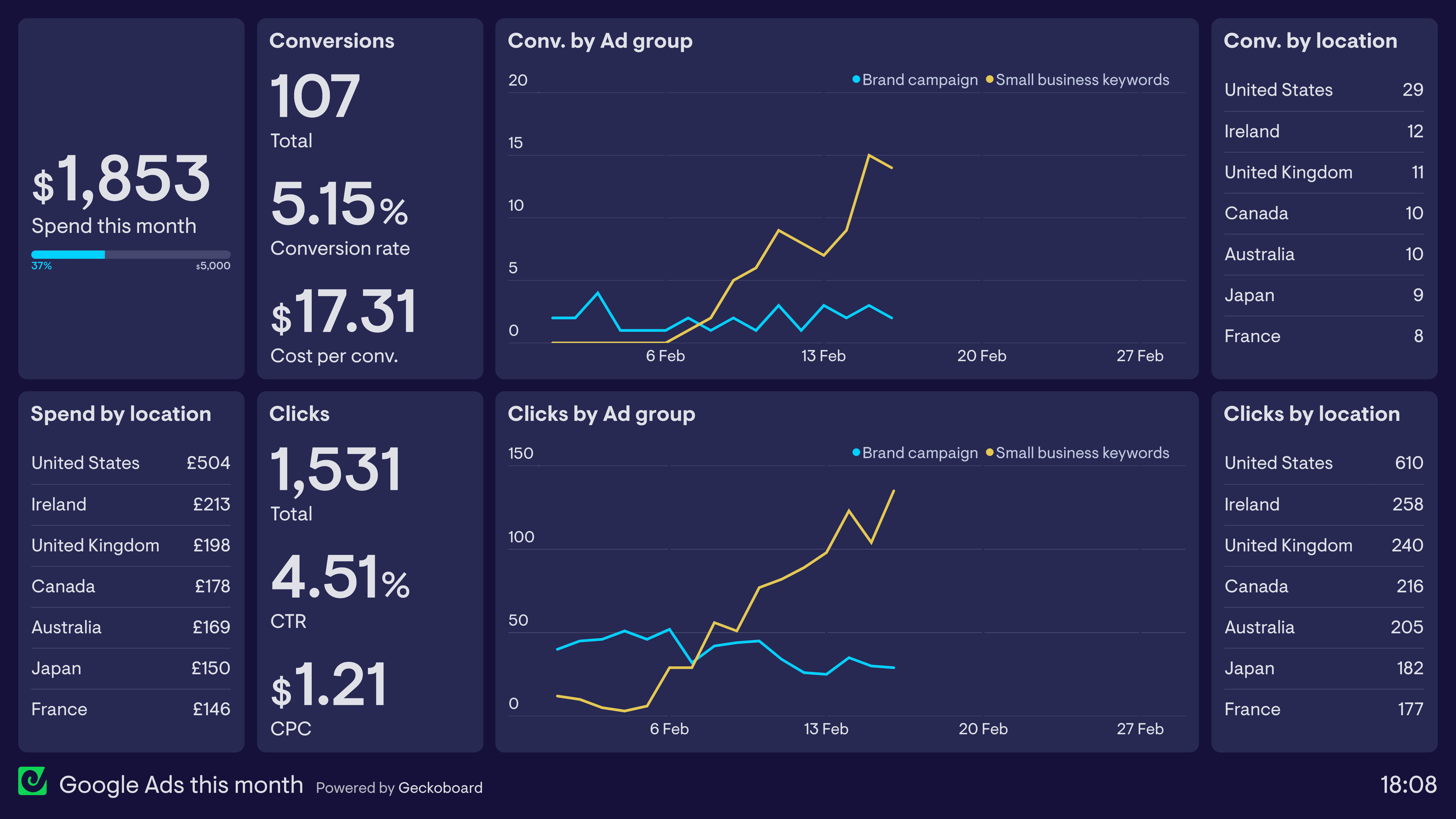
Pro tip: Create a standardized dashboard that aggregates multiple performance metrics, allowing real-time visibility into campaign effectiveness and rapid strategic adjustments.
Methods to Track Conversion and Revenue Impact
Healthcare organizations require sophisticated approaches to track campaign performance and revenue through comprehensive data analytics strategies. Conversion tracking goes far beyond simple click measurements, demanding intricate integration of clinical, financial, and marketing data points to understand true patient acquisition value.
The most effective methods for tracking conversion and revenue impact include:
-
Digital Tracking Tools
-
Google Analytics conversion tracking
-
CRM integration platforms
-
Patient management system tracking
-
-
Revenue Attribution Techniques
-
Patient lifetime value calculation
-
Campaign-specific revenue mapping
-
Multi-touch attribution modeling
-
-
Data Integration Approaches
-
Connecting ad interactions with appointment scheduling
-
Linking marketing campaigns to billing records
-
Cross-referencing patient acquisition channels
-
Healthcare marketing professionals must develop a holistic approach that connects advertising efforts directly to measurable financial outcomes. This requires advanced analytics capabilities that can transform raw data into actionable strategic insights, bridging the gap between marketing expenditure and actual revenue generation.
Key steps in comprehensive conversion tracking include:
-
Establish precise tracking parameters
-
Integrate multiple data systems
-
Create standardized reporting mechanisms
-
Develop clear attribution models
-
Continuously validate data accuracy
Successful revenue impact tracking transforms marketing from a cost center to a strategic revenue generation engine, providing unprecedented visibility into patient acquisition economics.
Pro tip: Implement a unified dashboard that aggregates marketing, clinical, and financial data to create a comprehensive view of campaign performance and revenue generation.
Here’s a quick comparison of data analysis approaches useful for healthcare ad campaigns:
| Approach | Focus Area | Advantages | Challenges |
| Basic Metrics Tracking | Impressions, click rates | Simple setup, fast results | Limited insights, surface view |
| Integrated Analytics | Linking clinical & financial | Holistic ROI connects revenue | Requires advanced integration |
| Predictive Analytics | Forecasting patient trends | Guides proactive strategy, improves targeting | Needs high-quality data |
| Multi-Touch Attribution | Across all touchpoints | Measures true influence, accurate mapping | Complex modeling required |
Optimizing Campaigns With Data-Driven Decisions
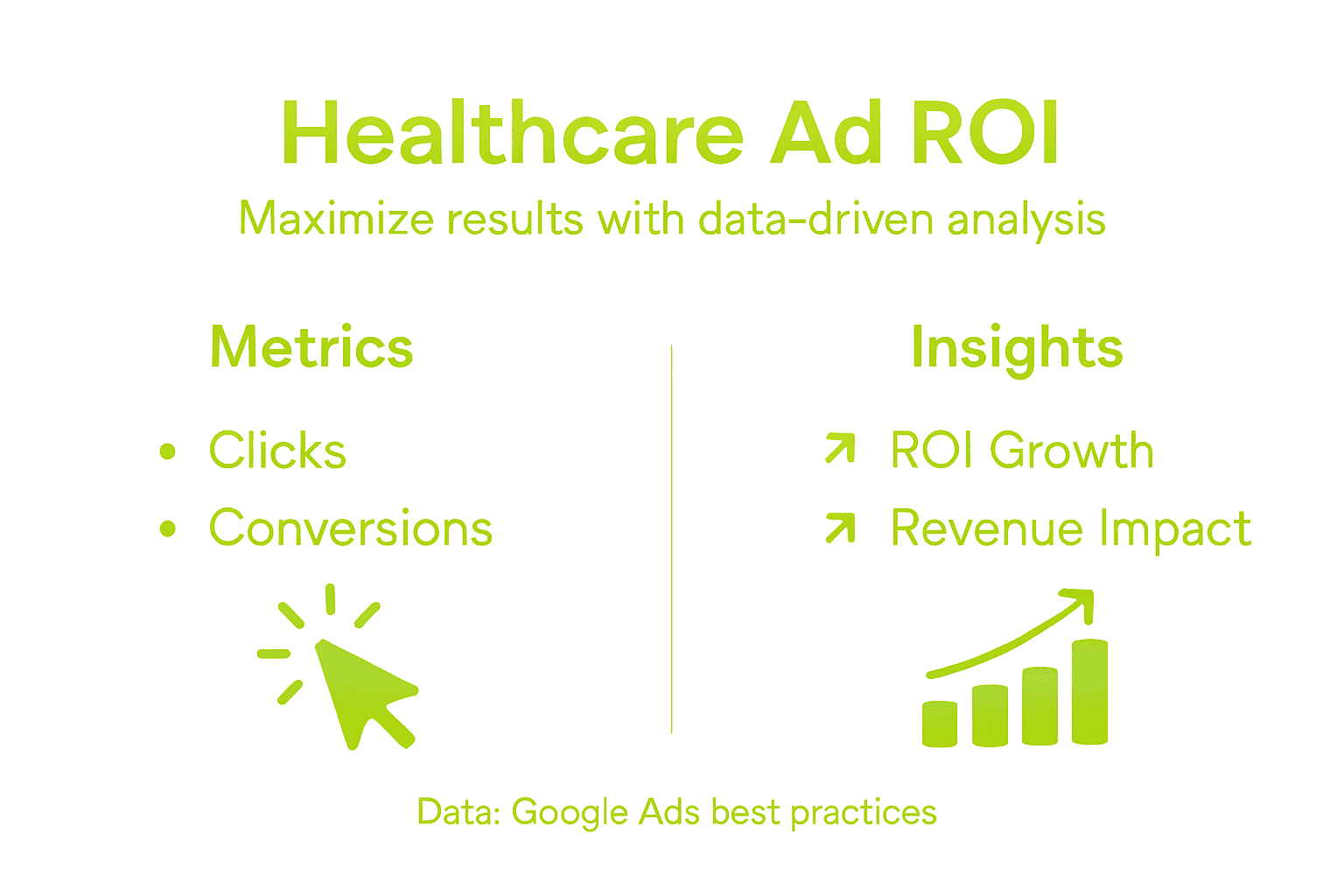
Healthcare marketing demands precision, and data-driven decision-making transforms guesswork into strategic action. Predictive analytics empowers marketing teams to move beyond intuition, leveraging sophisticated data analysis techniques that reveal nuanced insights about patient acquisition and campaign performance.
Effective data-driven optimization strategies incorporate multiple critical components:
-
Analytical Capabilities
-
Advanced statistical modeling
-
Machine learning algorithms
-
Predictive performance forecasting
-
-
Data Collection Techniques
-
Comprehensive patient interaction tracking
-
Multi-channel engagement monitoring
-
Granular campaign performance measurement
-
-
Optimization Approaches
-
Real-time campaign adjustments
-
Audience segment refinement
-
Targeted messaging development
-
Successful healthcare marketers understand that data is not just a collection of numbers, but a strategic asset that can dramatically improve marketing efficiency. By implementing sophisticated analytical frameworks, organizations can transform raw information into actionable insights that drive patient engagement and maximize return on investment.
Key steps in data-driven campaign optimization include:
-
Establish strong data collection infrastructure
-
Implement advanced analytics platforms
-
Create dynamic performance benchmarks
-
Develop iterative optimization processes
-
Continuously validate and refine strategies
Data-driven decision-making converts marketing from a cost center into a strategic revenue generation engine, providing unprecedented visibility into patient acquisition economics.
Pro tip: Invest in integrated analytics platforms that combine marketing, clinical, and financial data to create a holistic view of campaign performance and patient journey dynamics.
Common Pitfalls in Ad Performance Analysis
Healthcare marketing professionals face numerous challenges when analyzing advertising performance, and understanding data analytics pitfalls is crucial for accurate strategic decision-making. Performance analysis mistakes can dramatically undermine marketing efforts, leading to misallocation of resources and ineffective patient acquisition strategies.
The most significant pitfalls in ad performance analysis include:
-
Data Quality Issues
-
Incomplete data collection
-
Inconsistent tracking mechanisms
-
Unreliable data sources
-
-
Analytical Interpretation Errors
-
Misunderstanding key performance indicators
-
Confirmation bias in result evaluation
-
Oversimplifying complex metrics
-
-
Strategic Measurement Limitations
-
Failing to link marketing to patient outcomes
-
Neglecting external market influences
-
Ignoring multi-channel interaction effects
-
Successful healthcare marketers must develop a sophisticated approach to performance analysis that goes beyond surface-level metrics. By recognizing and addressing these common pitfalls, organizations can create more robust, nuanced strategies that accurately reflect the complex landscape of healthcare marketing.
Critical steps to mitigate performance analysis risks include:
-
Implement comprehensive data validation processes
-
Develop cross-functional analysis teams
-
Create multiple interpretation frameworks
-
Establish dynamic performance benchmarks
-
Continuously challenge existing analytical assumptions
Effective ad performance analysis requires a holistic, critical approach that challenges assumptions and embraces complexity.
Pro tip: Develop a systematic review process that regularly audits your performance analysis methodology, ensuring ongoing accuracy and relevance of your marketing insights.
This summary highlights common analysis pitfalls and recommended solutions:
| Pitfall | Impact on Results | Practical Solution |
| Incomplete data collection | Misleading campaign performance | Standardize tracking processes |
| Misreading key indicators | Flawed decisions, wasted budget | Train teams in metric analysis |
| Not linking to patient outcomes | Missed revenue optimization | Integrate marketing with clinical data |
| Ignoring channel interactions | Underestimates total campaign value | Use cross-channel attribution |
Unlock the Full Potential of Your Healthcare Advertising with Expert Analysis
If you are struggling to connect ad results to real patient engagement and revenue growth, you are not alone. This article highlights the critical importance of ad result analysis, conversion tracking, and data-driven decision-making to maximize healthcare marketing ROI. Many healthcare marketers face challenges like incomplete data, misinterpreted metrics, and unclear revenue attribution that hold back campaign success. By focusing on strategic insights such as patient inquiry rates, conversion metrics, and revenue impact, you can finally translate complex data into actionable growth.
At A&T Digital Agency, we specialize in performance marketing solutions designed to solve exactly these challenges. Our boutique team combines strategic Google Ads and Meta campaign expertise with personalized, data-driven execution. Whether you need campaign strategy, launch, analysis, or ongoing optimization, we help healthcare organizations build scalable paid advertising systems that deliver measurable results like increased conversions and revenue growth.
Do not let unclear ad performance and missed revenue opportunities slow your growth. Take control with specialized healthcare marketing support from A&T Digital Agency. Discover how our tried-and-true methods can transform your data into decisions you can be sure of and a higher return on investment. Get started right now with a customized strategy that advances your healthcare advertising. Visit our website to learn more or contact us now.
Frequently Asked Questions
What is ad result analysis in healthcare marketing?
Ad result analysis in healthcare marketing involves evaluating key metrics to determine the effectiveness of advertising campaigns, helping organizations understand how their marketing efforts convert into patient engagement and acquisition.
Why is analyzing ad results important for healthcare organizations?
Analyzing ad results is crucial for healthcare organizations as it allows them to develop targeted marketing strategies, optimize budgets, refine messaging, and ultimately demonstrate a clear return on their marketing investments.
What core metrics should be evaluated in Google Ads performance?
Core metrics for assessing Google Ads performance include visibility metrics like impressions and ad reach, engagement metrics such as click-through rates and costs per click, and conversion metrics including conversion rates and patient inquiry volumes.
How can healthcare organizations track the conversion and revenue impact of their ad campaigns?
Healthcare organizations can track conversion and revenue impact through digital tracking tools, revenue attribution techniques, and data integration approaches that connect marketing efforts to patient acquisition and financial outcomes.